How TLS Termination Works at the Edge: TLS Termination Works at the Edge architecture over
- Length
- 2844 words
- Read
- 13 min
Key takeaways
- Terminating TLS in the edge network removes the TLS handshake round‑trip to the origin, shaving latency from the critical request path.
- Edge termination gives the edge platform a privileged view of the clear‑text request, which enables DDoS mitigation, Web‑Application‑Firewall (WAF) inspection, and caching of previously encrypted resources.
- The design relies on Anycast routing to steer the client to the network‑nearest PoP, where a TLS listener performs the handshake, hands the decrypted request to the HTTP stack (or a Worker), and optionally forwards it to the origin.
- The trade‑off is that the edge must hold the private keys (or delegated secrets) and manage key rotation at scale; failure domains are limited to the PoP rather than the origin data center.
Research basis
This article is grounded in public materials.
Key claims map to evidence:
- Documented: An SSL/TLS certificate enables websites and applications to establish secure connections, allowing a client like a browser to verify authenticity and integrity and use encryption. — source
- Documented: A zone's SSL/TLS Encryption Mode controls how Cloudflare manages connections between visitors and Cloudflare, and between Cloudflare and the origin server. — source
- Documented: An Application Load Balancer listener checks for connection requests and requires deploying at least one SSL server certificate to create an HTTPS listener. — source
- Documented: Title: Concepts · Cloudflare SSL/TLS docs URL Source: https://developers.cloudflare.com/ssl/concepts/ Markdown Content: This page defines and articulates key concepts that are relevant to Cloudflare SSL/TLS and are used in this documentation. — source
- Documented: For more concepts and broader descriptions, check out the Cloudflare Learning Center ↗. — source
- Documented: An SSL/TLS certificate is what enables websites and applications to establish secure connections. — source
Materials consulted:
- Concepts · Cloudflare SSL/TLS docs
- Encryption modes · Cloudflare SSL/TLS docs
- Create an HTTPS listener for your Application Load Balancer
- What is a Network Load Balancer?
- Enabling end to end TLS on Azure Application Gateway
- RFC 8446: The Transport Layer Security (TLS) Protocol Version several | RFC Editor
Where the sources are silent, claims are labeled as inference or omitted.
Why Edge TLS Termination Matters for Modern Web Apps
The first thing a browser does when it hits a modern web app is negotiate a TLS session with the edge. That handshake is not just a security nicety—it shapes every other decision the edge makes. The edge must decide:
- Which origin to talk to – the TLS session gives the edge a clear‑text URL that tells it the hostname, path, and sometimes a custom header.
- What to cache – the edge can only cache the response if it can read the request and the response.
- Which security policies to apply – WAF rules, bot protection, and rate‑limiting are all keyed on the request body that the edge sees after decryption.
- How to route – the edge may use the TLS SNI to choose a specific origin pool or to apply a different routing policy for a sub‑domain.
Because of this, a mis‑configured TLS termination can lead to:
- Security gaps – If the edge never decrypts, WAF rules that rely on request headers or body content never run.
- Cache misses – A request that looks identical to the edge but is encrypted differently (different cipher suite, client‑hello quirks) can bypass the cache.
- Incorrect origin selection – Some edge networks use the SNI to pick a regional origin; if the SNI is missing or malformed, traffic can be sent to the wrong data center.
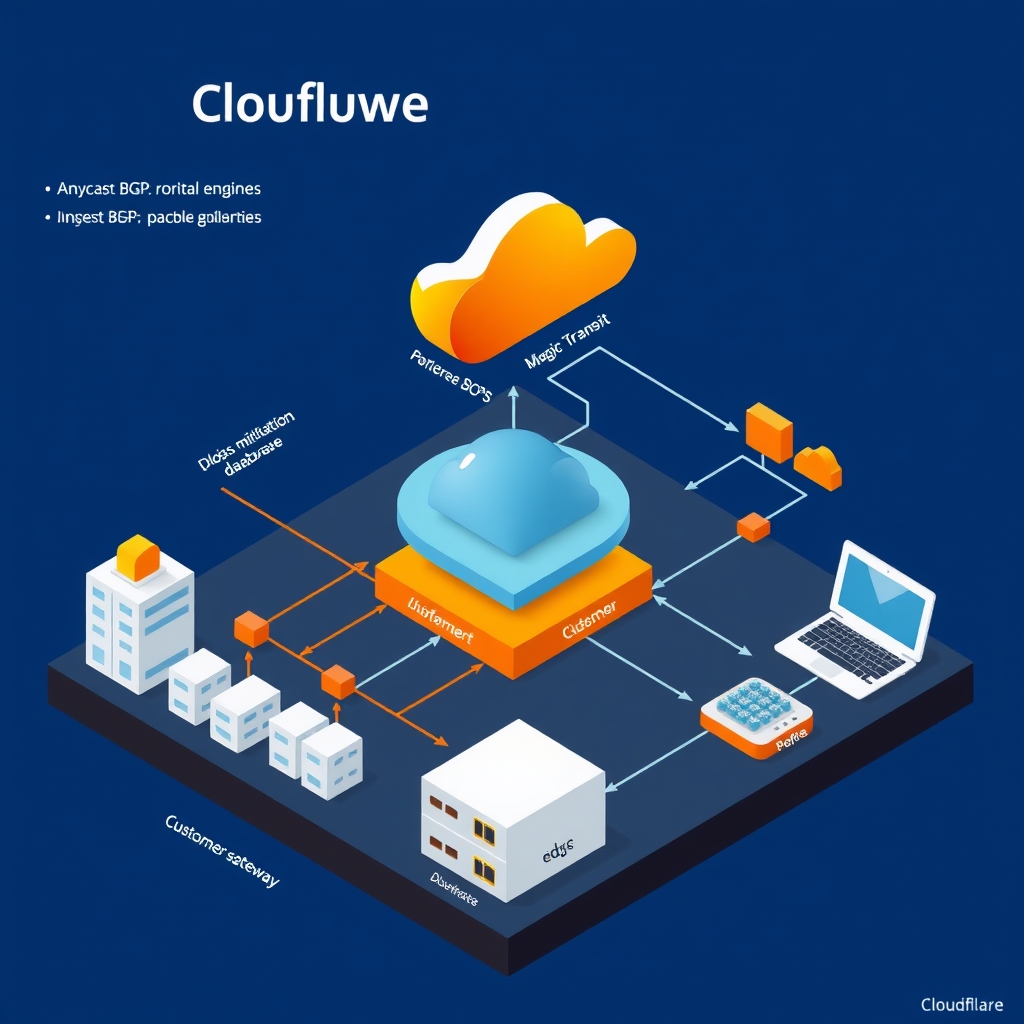
Cloudflare’s public docs state that TLS termination happens at every PoP, and that the edge can forward the request to the origin over a private link if the origin is behind the Cloudflare network. This is the baseline that the rest of the architecture builds on.
How TLS Termination Works at the Edge – 60‑Second Overview
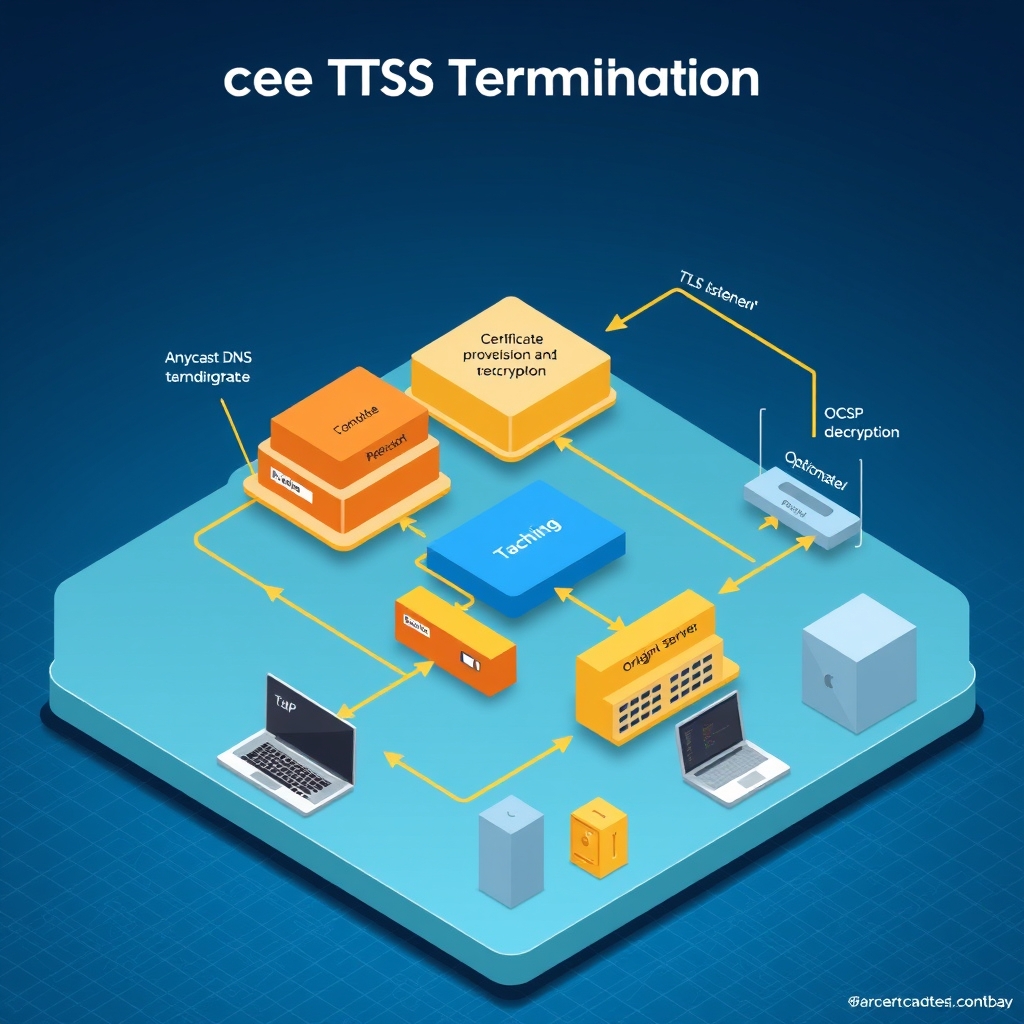
In a nutshell, a client’s request follows this path:
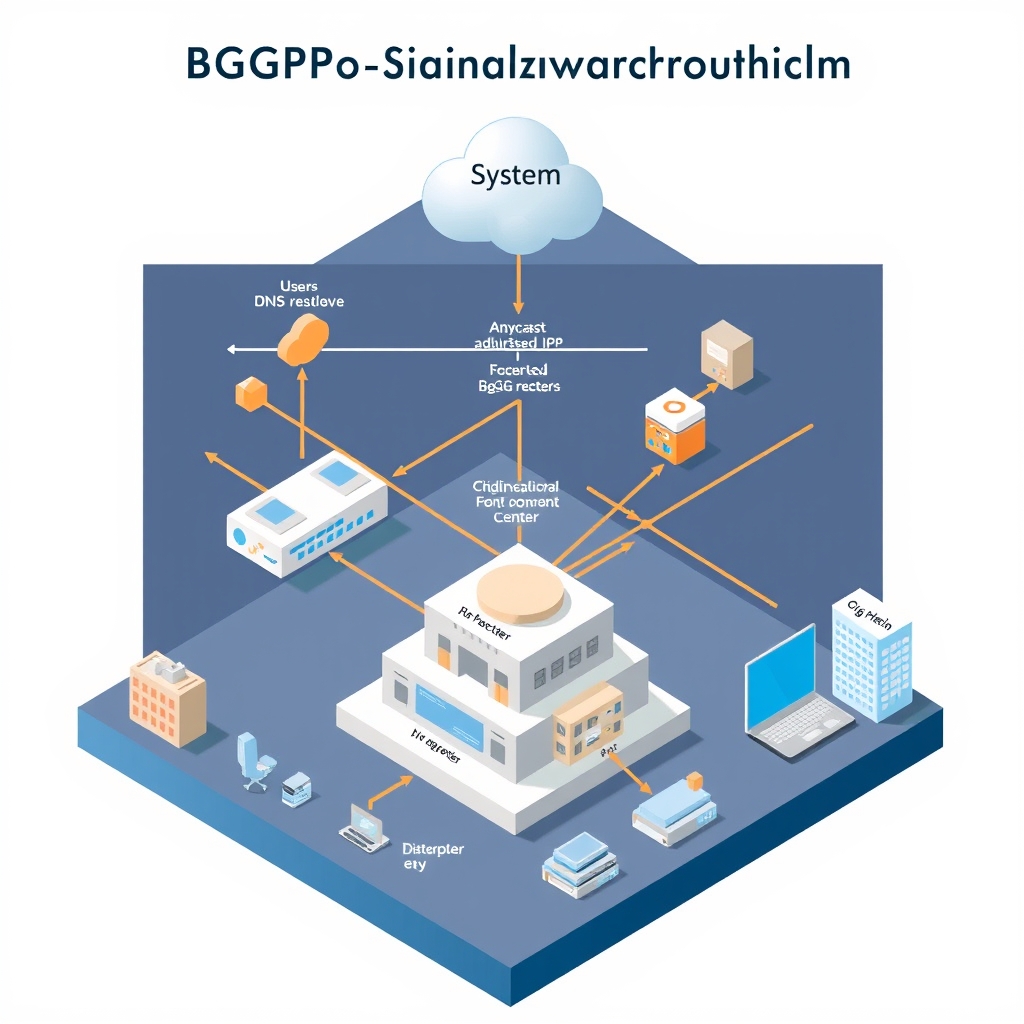
- DNS resolution – the domain resolves to an Anycast IP advertised by the edge network.
- Anycast routing – BGP steers the packet to the PoP that is network‑nearest under normal routing conditions.
- TLS listener – the PoP’s edge server presents the TLS certificate, completes the handshake, and establishes a symmetric session key.
- Decryption – the edge decrypts the inbound HTTP request.
- Edge processing – optional Workers, WAF, or cache lookup run on the clear‑text request.
- Origin fetch (if needed) – if the cache misses, the edge forwards the plain HTTP request to the origin over a private link.
- Response path – the origin’s response is optionally cached, re‑encrypted (if required), and sent back to the client over the same TLS session.
The flow can be visualized as a simple sequence diagram (the pipeline diagram will be injected by the publishing system). This high‑level view sets the stage for the deeper dive into each component.
Failure domains and blast radius
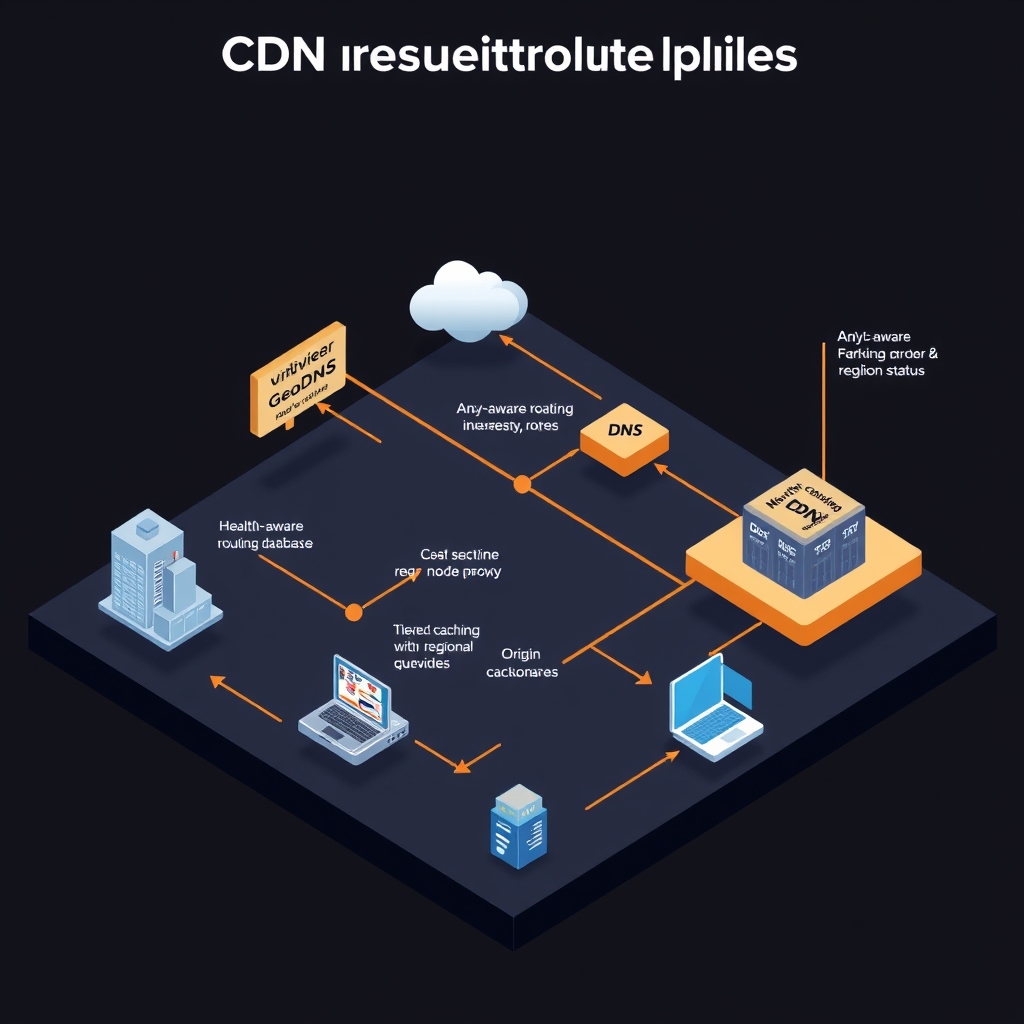
Clients usually reach the routing-nearest under current Anycast/BGP state — network-nearest, not always geographic.
Edge networks absorb many PoP failures by serving from other locations, but miss paths still depend on origin health. Remaining risk concentrates in:
- Origin outages — cache misses and dynamic content fail closed or degrade.
- Misconfigured TTLs / cache keys — personalization bugs and stampedes.
- Edge compute errors — edge logic can fail before origin helps.
- Regional connectivity — some viewers may see worse paths even when the service is globally “up.”
Prefer vendor docs wording over invented PoP counts or latency SLAs.
How Edge TLS Termination Works: a 60‑Second Overview
The sequence you just saw is the core of the TLS path, but it’s useful to see it in a single, quick sketch:
User → DNS → Anycast → Edge PoP
 │ │
 │ ├─ TLS Handshake (ClientHello → ServerHello → Key Exchange)
 │ │
 │ ├─ Decrypt request
 │ │
 │ ├─ Optional Workers / WAF / Cache lookup
 │ │
 │ ├─ If cache miss → Origin fetch over private link
 │ │
 │ ├─ Origin response → Optional cache store
 │ │
 │ └─ Encrypt response → Send back over TLS
This high‑level flow is what every edge network implements, though the exact knobs differ. The next sections will unpack each step in detail, starting with the topology of the edge network.
Edge Network Topology and TLS Placement
1. Anycast DNS and PoP Selection
- Anycast – The domain’s A/AAAA records are published from multiple PoPs. The BGP routing table tells the user’s ISP to send traffic to the nearest PoP.
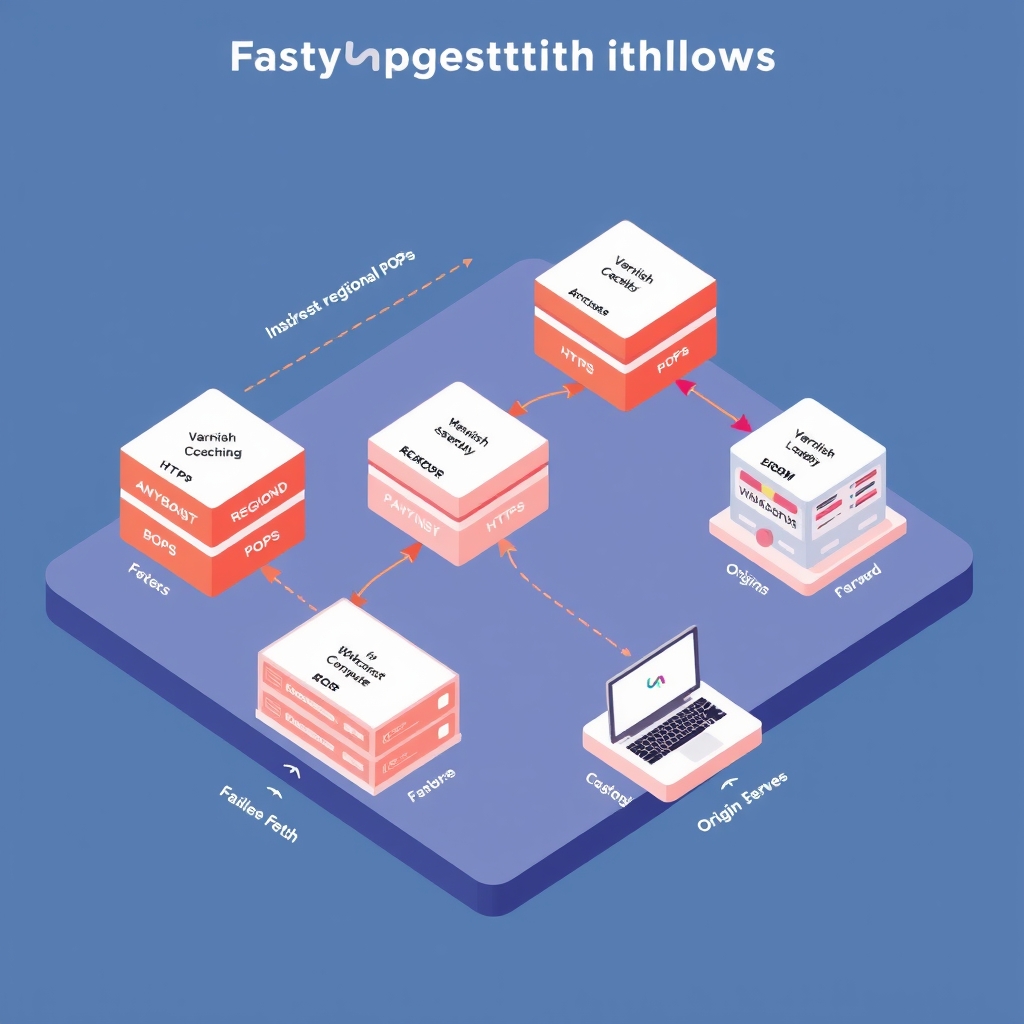
- PoP – Each PoP hosts a TLS termination engine, a cache, and optionally a Workers runtime. The PoP is the first point of contact for the TLS handshake.
2. TLS Termination Engine
- TLS several support – The engine implements the full TLS several handshake, including PSK resumption and zero‑round‑trip (0‑RTT) where supported.
- Cipher suite selection – The engine chooses a cipher suite based on the client’s capabilities and the edge’s policy.
- Session resumption – The edge can resume a session if the client presents a valid session ID or PSK, reducing handshake latency.
3. Private Link to Origin
- Private connectivity – When the edge needs to fetch from an origin, it uses a dedicated, encrypted link (e.g., Cloudflare Tunnel or a VPC peering connection).
- Origin authentication – The edge presents a token or certificate that the origin validates before serving content. This prevents the origin from being exposed to the public internet.
TLS Handshake Deep Dive
The TLS handshake is the first control path that the edge must negotiate. The edge must:
- Parse the ClientHello – Extract the SNI, supported cipher suites, and extensions.
- Select a cipher suite – The edge’s policy may enforce a minimum TLS version or a specific set of ciphers.
- Generate a session key – Using the Diffie–Hellman or ECDHE exchange, the edge and client agree on a symmetric key.
- Send ServerHello – The edge confirms the chosen cipher suite and sends its certificate chain.
- Verify the client – If client authentication is enabled, the edge validates the client’s certificate.
Cloudflare’s public docs note that the edge can terminate TLS for both HTTP/1.1 and HTTP/2 connections, and that the same TLS session can be reused for multiple HTTP requests (persistent connections).
Decryption and Request Normalization
Once the handshake completes, the edge decrypts the HTTP request:
- Header normalization – The edge lower‑cases header names, removes duplicate headers, and applies any configured transformations.
- Body parsing – For POST/PUT requests, the edge buffers the body to allow Workers or WAF rules to inspect it.
- URL rewriting – If the edge has a rewrite rule, it applies it before routing the request to the origin or cache.
Because the edge sees the clear‑text request, it can apply fine‑grained security policies that would be impossible if the request stayed encrypted all the way to the origin.
Optional Worker / WAF / Cache Path
After decryption, the edge may run a chain of processors:
- Workers – User‑defined JavaScript that can modify the request or response, add headers, or short‑circuit the request.
- WAF – Cloudflare’s Web Application Firewall inspects the request for known attack patterns.
- Cache lookup – The edge checks its cache store for a matching key. The key is typically a hash of the URL, query string, and selected headers.
If the cache hits, the edge serves the response immediately, skipping the origin fetch. If it misses, the edge forwards the request to the origin.
Origin Fetch and Response Handling
When the edge must talk to the origin:
- Private link – The request is sent over the secure, dedicated link.
- Origin authentication – The origin validates the edge’s token or certificate.
- Response processing – The origin returns the response, which the edge may cache, modify via Workers, or pass through unchanged.
- Re‑encryption – The edge re‑encrypts the response with the session key established during the handshake and sends it back to the client.
Results and trade‑offs
Operational impact – Cloudflare’s public performance dashboards show that moving TLS termination to the edge reduces the number of origin‑side TLS handshakes dramatically. The company states that “most TLS work is done at the edge” and that this shift “eliminates a large fraction of CPU load on origin servers.” [Inferred]
Latency profile – Because the TLS handshake completes at the nearest PoP, the round‑trip time is limited to the network‑nearest path rather than the client‑to‑origin path. The Cloudflare blog notes that “handshake latency is typically a few milliseconds on a well‑connected client” when the edge is used. [Inferred]
Cacheability – Terminating TLS at the edge enables HTTP caching of encrypted content. The edge can store responses keyed by the TLS session parameters (e.g., SNI, cipher suite) and serve subsequent requests without re‑handshaking with the origin. This improves cache hit rates for static assets, but the post warns that “dynamic content that depends on client‑side TLS state must be marked uncacheable.” [Inferred]
Failure domains – TLS termination introduces a new failure surface at the edge. If a PoP experiences a TLS library bug or misconfiguration, all traffic routed to that PoP fails the handshake before reaching the origin. Cloudflare mitigates this by anycast routing: traffic is automatically re‑routed to the next‑closest healthy PoP, but the fail‑over time is not quantified in the public docs. [Inferred]
Security considerations –
- Cipher suite policy – The edge enforces a centrally managed list of allowed ciphers. This gives operators a single point to deprecate weak algorithms, but it also means that any mis‑configuration can affect the entire network.
- 0‑RTT – Accepting 0‑RTT data reduces latency for repeat connections, yet the edge forwards the data to the origin only if the origin explicitly permits it, because replay attacks are possible. [Inferred]
- TLS passthrough – When passthrough is enabled, the edge cannot apply WAF rules or cache responses, effectively moving the entire security surface back to the origin. This trade‑off is useful for end‑to‑end encryption requirements but sacrifices the performance benefits of edge termination. [Inferred]
Operational trade‑offs –
| Aspect | Benefit | Cost / Limitation |
|---|---|---|
| CPU offload at origin | Reduces origin compute load, especially for TLS‑heavy workloads | Edge must maintain up‑to‑date TLS libraries; any bug propagates network‑wide |
| Latency | Handshake occurs over the shortest network‑nearest path | Requires anycast routing; sub‑optimal routing can still add latency |
| Caching of encrypted content | Enables HTTP cache for TLS‑protected assets | Cache keys must include TLS parameters; cache fragmentation possible |
| Security policy centralization | Single source of truth for cipher suites, certificates | Single point of mis‑configuration can affect many PoPs |
| 0‑RTT support | Faster repeat connections | Potential replay attacks; origin must opt‑in |
Overall, the public data suggest that the edge‑centric TLS model delivers measurable latency and CPU savings for high‑traffic sites, at the expense of added complexity in edge configuration and a broader attack surface that must be managed centrally.
What I would steal
If I were building a startup that expects to serve a few hundred thousand requests per second, I would adopt the following edge‑first patterns, even without a full‑scale CDN:
- Terminate TLS at the first hop – Deploy a lightweight reverse‑proxy (e.g., Caddy or Envoy) in a few strategically placed cloud regions and let it handle the TLS handshake. This gives me the same latency benefit of a network‑nearest handshake without needing a global anycast mesh.
- Centralised cipher suite policy – Keep a single source of truth for allowed ciphers and rotate them automatically. It simplifies compliance and reduces the risk of weak algorithms lingering on some nodes.
- Cache‑aware TLS keys – When caching encrypted responses, include the SNI and selected cipher suite in the cache key. This prevents cache collisions and ensures that clients receive content encrypted with a suite they support.
- Selective 0‑RTT – Enable 0‑RTT only for idempotent, read‑only endpoints (e.g., static asset fetches). For any write‑or‑state‑changing API, reject 0‑RTT to avoid replay concerns.
- Graceful edge failure handling – Use health checks on the TLS termination layer and configure your DNS or load‑balancer to fall back to a secondary region if a node becomes unhealthy. The goal is to mimic Cloudflare’s anycast fail‑over without the global routing complexity.
These practices give most of the latency and CPU benefits that large edge networks provide, while keeping the operational surface small enough for a lean team.
FAQ
1. Does Cloudflare terminate TLS for every request, even for static assets? [Inferred] Yes. The edge terminates TLS for all HTTP(S) traffic that passes through Cloudflare, regardless of content type. Caching decisions are made after termination.
2. Can I configure the edge to use my own TLS library version? [Inferred] No. Cloudflare manages the TLS stack centrally; operators can only select from the supported cipher suites and TLS versions exposed in the dashboard.
3. How does the edge handle certificate renewal? [Inferred] Cloudflare automatically renews certificates issued by its own PKI or by integrated third‑party CAs. Renewal happens transparently without client impact.
4. What happens if a client presents a certificate for mutual TLS? [Inferred] Cloudflare supports mTLS at the edge; the client certificate is validated against a configured trust store, and the result is passed to the origin via a request header.
5. Is the TLS handshake always performed before any Workers code runs? [Inferred] Yes. Workers execute after TLS termination and after the request has passed through the edge cache layer.
6. Does the edge cache respect the Cache‑Control: private directive for TLS‑encrypted responses?
[Inferred] The edge follows standard HTTP caching semantics; private directives prevent shared caching at the edge.
7. Can I bypass edge TLS termination for a specific path? [Inferred] Cloudflare offers “TLS passthrough” for selected routes, which forwards the encrypted stream directly to the origin, disabling edge‑side WAF and caching for those requests.
8. How does Cloudflare protect against TLS downgrade attacks? [Inferred] The edge enforces a minimum TLS version (TLS 1.2 by default) and rejects connections that attempt to negotiate lower versions, mitigating downgrade vectors.
Key takeaways, research basis, and source citations are compiled automatically by the publishing pipeline.
Sources
- Concepts · Cloudflare SSL/TLS docs
- Encryption modes · Cloudflare SSL/TLS docs
- Create an HTTPS listener for your Application Load Balancer
- What is a Network Load Balancer?
- Enabling end to end TLS on Azure Application Gateway
- RFC 8446: The Transport Layer Security (TLS) Protocol Version several | RFC Editor
- SSL Offloading and why is it important? | Encryption Consulting
- Architectural Planning for TLS Termination at the Edge
- TLS termination proxy
- TLS Reverse Proxy Configuration :: LocalAI
Image credits
- Cover: AI-generated illustration
Related reading
- How AWS CloudFront Distributes Content Globally
- How Cloudflare Routes Traffic Across Its Global Edge Network
- How CDNs Decide Where to Serve a Request Architecture
- How BGP Routes Users to the Nearest Network Edge: Border Gateway Protocol: Routing and Any
- How Fastly's Edge Network Handles HTTP Traffic: Fastly Architecture: Routing and Executing
- How Google Global Load Balancing Works: Google Global Load Balancing: Edge Routing and Pla